
Imagine wandering through a vibrant market, the aroma of spices swirling around, while you sip on a local brew that makes your taste buds dance. Cultural solo travel isn’t just a getaway; it’s a passport to discovering the world on your own terms. Whether it’s mastering the art of sushi-making in Tokyo or getting lost in the street art of Berlin, solo adventures offer a unique chance to connect deeply with diverse cultures.
But let’s be real—going solo doesn’t mean you have to be lonely. It opens the door to spontaneous friendships and unforgettable experiences. Embrace the freedom to explore at your own pace, dive into local traditions, and maybe even bust out a few dance moves at a street festival. Buckle up for a journey that promises laughter, learning, and a dash of the unexpected. After all, who needs a travel buddy when you’ve got the whole world at your feet?
Overview of Cultural Solo Travel Activities
Cultural solo travel activities offer unique opportunities for immersive experiences. Engaging with local traditions fosters understanding and appreciation of diverse cultures. Participating in cooking classes, such as sushi-making in Tokyo, allows travelers to learn directly from skilled chefs. Exploring street art in cities like Berlin showcases the vibrant expressions of local artists.
Visiting museums and historical sites enhances knowledge of a location’s heritage. Guided tours often provide valuable context, enriching the travel experience. Joining local festivals can create unforgettable moments and connect travelers with residents. Volunteering for community projects benefits both the traveler and the local population through shared experiences.
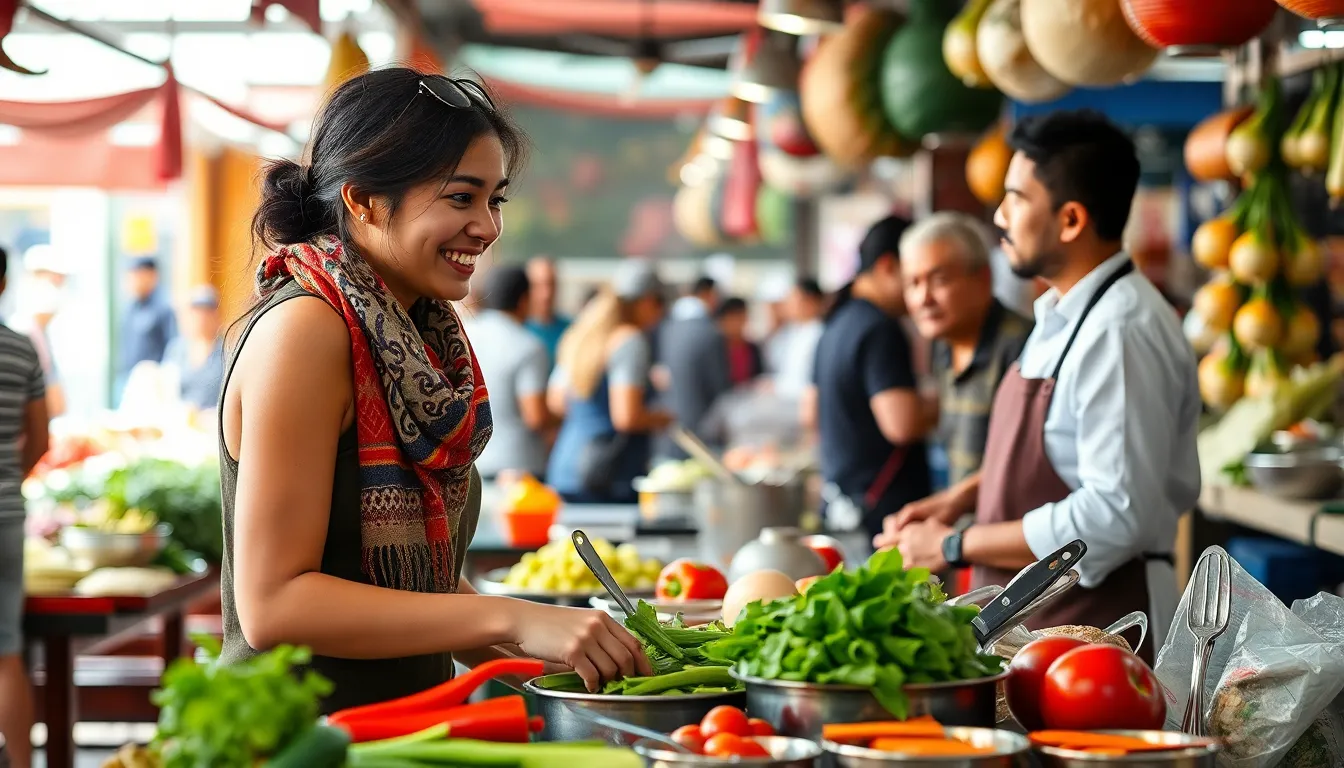
Finding local workshops fosters creativity while learning new skills. Language classes provide a practical way to engage with locals, breaking down cultural barriers. Solo travelers often discover food markets, where trying regional delicacies becomes an adventure of its own.
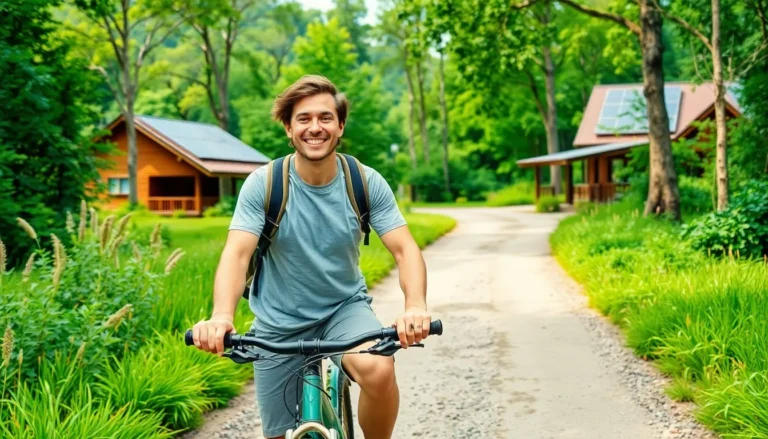
Exploring neighborhoods on foot or by bike encourages discovering hidden gems. Attending performances, such as theater productions or music concerts, highlights local talent. Each activity contributes to a deeper appreciation of the destination, making cultural solo travel memorable and enriching. Travelers frequently return home with not just souvenirs, but stories that reflect their unique experiences.
Benefits of Cultural Solo Travel

Cultural solo travel offers numerous advantages that enrich personal experiences. Travelers gain unique insights into their own identities and strengths.
Personal Growth and Self-Discovery
Solo travel promotes significant personal growth. Individuals encounter challenges that enhance resilience and problem-solving skills. Many discover new passions and interests while navigating unfamiliar environments. Self-reflection often occurs as they adapt to new situations. Taking time away from routine encourages new perspectives on life and priorities. The journey leads to increased confidence as travelers overcome obstacles independently. Engaging with locals allows for meaningful connections that foster emotional intelligence.
Cultural Immersion and Understanding
Cultural immersion plays a vital role in developing understanding. Travelers experience authentic aspects of cultures that tourists often overlook. Participating in local traditions affords deeper insights into customs and values. Engaging in cooking classes or art workshops reveals the significance of cultural practices. Exploring communities provides opportunities to witness daily life firsthand. Visitors often leave with memories that shape their worldview. Involvement in festivals and community activities fosters appreciation for diversity and shared human experiences.
Popular Cultural Solo Travel Activities
Cultural solo travel activities provide unique chances to immerse oneself in local traditions and communities. Engaging in these experiences enhances understanding and appreciation of diverse cultures.
Attending Local Festivals
Local festivals offer vibrant displays of culture and tradition. Travelers encounter music, dance, food, and art that reflect the heart of the community. Festivals often showcase regional customs, allowing solo travelers to interact with locals and participate in celebrations. For example, the Carnival in Rio de Janeiro features colorful parades and street parties that draw international attention. These events inspire connections, creating memorable experiences that travelers cherish long after they return home. More intimate festivals, like small-town harvest celebrations, reveal authentic cultural practices, fostering a sense of belonging even while traveling alone.
Participating in Workshops
Workshops provide hands-on experiences that deepen cultural understanding. Travelers learn specific skills, such as cooking traditional dishes or crafting local art. Each workshop allows individuals to engage with artisans or chefs, gaining insights into their creative processes. For instance, a pottery class in Kyoto enables participants to connect with Japanese culture while creating a unique souvenir. These interactive sessions often include small groups, promoting social interactions among travelers and locals. Engaging in workshops fosters curiosity, encourages skill development, and enriches the travel experience, leaving lasting impressions on those participants.
Planning Your Cultural Solo Trip
Planning a cultural solo trip involves careful consideration and research. Starting with well-researched destinations helps travelers understand which places align with their interests.
Researching Destinations
Utilizing travel blogs, websites, and forums provides insights into unique cultural experiences. Checking local calendars for festivals or events reveals opportunities to engage with traditions. Exploring user-generated content on social media platforms showcases authentic experiences from fellow travelers. Reading travel books and guidebooks offers in-depth knowledge about local customs and attractions. Considering language barriers and cultural differences assists in selecting destinations where one can navigate comfortably.
Creating an Itinerary
Developing a detailed itinerary enhances the travel experience while allowing flexibility. Prioritizing must-see attractions ensures travelers don’t miss significant cultural landmarks. Allocating time for local classes, workshops, or guided tours supports deeper cultural immersion. Including downtime for spontaneous exploration cultivates a richer travel experience. Establishing clear daily goals helps maintain a balance between planned activities and relaxation. Flexibility in scheduling accommodates the unexpected, leading to unique opportunities for connection and discovery in each destination.
Safety Tips for Solo Travelers
Staying safe is crucial for solo travelers. Always research your destination before arriving, identifying areas known for safety or issues. Carry a map, whether digital or paper, to stay oriented, especially in unfamiliar places.
Connecting with fellow travelers provides valuable insights about current safety situations. Communicating with locals often yields helpful tips and enhances cultural experiences. Establish an emergency contact who knows your itinerary and whereabouts throughout your journey.
Remaining discreet about personal belongings minimizes attracting unwanted attention. Consider packing essentials in a money belt or hidden pouch. Avoid displaying expensive items, as this can signal vulnerability to potential thieves.
Using reputable transportation services ensures reliable and safe travel between destinations. Opting for well-reviewed rideshare apps or registered taxis can reduce risks significantly.
Sharing travel plans with friends or family promotes an additional layer of security. Establish check-in times to keep them updated on your activities during the trip. Trusting instincts is essential; if a situation feels off, seek a safer environment immediately.
Following local customs can enhance safety. Observing dress codes and behavioral norms fosters respect and acceptance in various cultures. Lastly, staying aware of surroundings encourages vigilance and helps avoid potentially risky situations.