
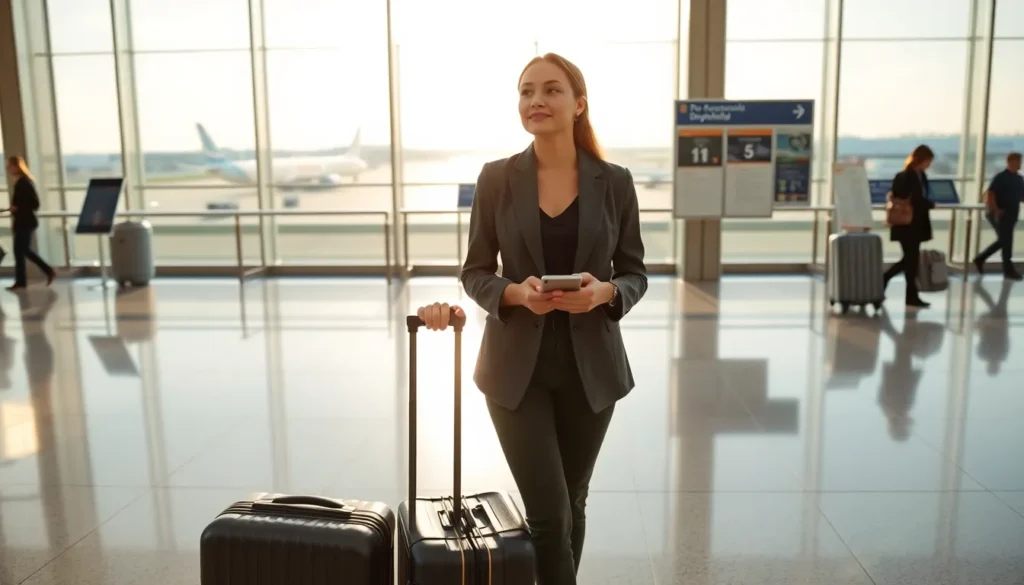
Table of Contents
ToggleSolo travel means exploring the world on your own terms, no compromises, no group itineraries, just you and the open road. Whether it’s a weekend getaway or a months-long adventure, traveling alone has become one of the fastest-growing trends in tourism. A 2023 study found that 25% of travelers now prefer solo trips over group vacations.
But what exactly makes solo travel so appealing? And is it right for everyone? This guide breaks down what solo travel is, who benefits most from it, the challenges travelers face, and practical tips for anyone ready to take their first trip alone.
Key Takeaways
- Solo travel is any trip taken without companions, offering complete independence over decisions like where to go, what to see, and how long to stay.
- Traveling alone builds confidence, problem-solving skills, and often leads to deeper connections with locals and fellow travelers.
- Common challenges like loneliness and safety concerns can be managed by staying in social accommodations, researching destinations, and trusting your instincts.
- First-time solo travelers should start small with beginner-friendly destinations like Japan, Portugal, or New Zealand before tackling longer adventures.
- Solo travel suits people of all ages, relationship statuses, and travel styles—76% of travelers planned at least one solo trip in 2024.
- Packing light and staying flexible are essential solo travel strategies that make spontaneous adventures possible.
Defining Solo Travel and Who It’s For
Solo travel is any trip where a person travels without companions. This includes everything from backpacking through Europe to a quiet beach vacation. The key element? Independence. Solo travelers make every decision themselves, where to eat, what to see, how long to stay.
Solo travel appeals to a wide range of people. Young professionals often use it to decompress between jobs. Retirees embrace it as a way to check destinations off their bucket lists. Introverts appreciate the quiet time, while extroverts enjoy meeting new people without the social buffer of familiar friends.
Contrary to popular belief, solo travel isn’t limited to single people. Many married individuals and parents take solo trips for personal growth or simply to recharge. A 2024 survey by Booking.com revealed that 76% of travelers planned at least one solo trip that year, regardless of relationship status.
Solo travel also suits different travel styles. Some solo travelers prefer structured tours where they join small groups at each destination. Others want complete freedom to wander without a fixed schedule. There’s no wrong way to travel alone, the approach depends entirely on personal preference and comfort level.
Benefits of Traveling Alone
Solo travel offers unique advantages that group trips simply can’t match.
Complete Freedom
Solo travelers control every aspect of their journey. Want to spend four hours in a museum? Done. Prefer to skip the tourist spots and find a local café? No one will argue. This freedom allows travelers to follow their genuine interests rather than compromise with others.
Personal Growth
Traveling alone pushes people outside their comfort zones. Solo travelers must handle unexpected situations, missed trains, language barriers, wrong turns, on their own. These experiences build confidence and problem-solving skills that carry over into daily life.
Deeper Connections
Surprisingly, solo travel often leads to more meaningful interactions. Without companions to talk to, solo travelers are more likely to strike up conversations with locals and fellow travelers. Many people report making lifelong friends during solo trips.
Self-Discovery
Time alone in a new environment creates space for reflection. Many solo travelers return home with clearer perspectives on their careers, relationships, and priorities. The absence of familiar distractions reveals what truly matters.
Flexibility
Solo travelers can change plans instantly. If a local recommends a hidden waterfall two hours away, nothing stops them from going. This flexibility often leads to unexpected adventures that planned itineraries would miss.
Common Challenges and How to Overcome Them
Solo travel isn’t without obstacles. Here’s how experienced travelers handle the most common issues.
Loneliness
Even the most independent travelers feel lonely sometimes. The solution? Stay in social accommodations like hostels or guesthouses. Join walking tours or cooking classes. Use apps like Meetup or Couchsurfing to connect with locals. Loneliness usually fades once travelers establish a routine and make a few connections.
Safety Concerns
Safety worries affect solo travelers, especially women and first-timers. Smart strategies help: research destinations beforehand, share itineraries with family, avoid walking alone late at night, and trust instincts when something feels wrong. Most solo travelers find that common sense prevents most problems.
Higher Costs
Solo travel can cost more since there’s no one to split rooms or taxis with. Budget-conscious travelers offset this by staying in hostels, using public transportation, and booking single supplements early. Some destinations, like Southeast Asia or Eastern Europe, remain affordable even for solo travelers.
Decision Fatigue
Making every choice alone gets exhausting. Combat this by planning key decisions in advance while leaving room for spontaneity. Some solo travelers book accommodations ahead but leave activities open. Others do the opposite. Find a balance that reduces stress without eliminating flexibility.
Dining Alone
Eating at restaurants solo intimidates many people. Start with casual spots like cafés or food markets where solo diners blend in. Bring a book or journal. After a few meals, most travelers stop caring what others think, and often enjoy the experience.
Essential Tips for First-Time Solo Travelers
First-time solo travelers benefit from practical preparation. These tips come from experienced solo travelers.
Start Small
Don’t book a three-month trip to a remote country as a first solo adventure. Start with a weekend trip to a nearby city or a week in a tourist-friendly destination. This builds confidence before bigger journeys.
Choose Beginner-Friendly Destinations
Some places welcome solo travelers better than others. Japan, Portugal, Iceland, and New Zealand consistently rank as safe, easy destinations for first-timers. These countries have good public transportation, English speakers, and low crime rates.
Pack Light
Solo travelers carry their own bags, always. A heavy suitcase becomes a burden fast. Stick to a carry-on when possible. This also makes spontaneous transportation changes easier.
Stay Connected
Share your itinerary with someone at home. Check in regularly. Consider a phone plan with international coverage or buy a local SIM card. These precautions provide peace of mind without limiting independence.
Trust Your Instincts
If a situation feels wrong, leave. If a person seems suspicious, walk away. Solo travelers learn to trust their gut quickly. This skill proves valuable both abroad and at home.
Embrace the Uncertainty
Solo travel rarely goes exactly as planned. Flights get delayed. Reservations fall through. Getting lost happens. Experienced solo travelers know these moments often become the best stories. Flexibility and a positive attitude transform problems into adventures.

